A yoga mat is more than just a piece of equipment. It’s your foundation for every pose, your cushion during challenging flows, and your personal space in crowded classes.
Whether you’re practicing downward dog at home or sweating through hot yoga at the studio, the right mat makes all the difference in your comfort and performance.
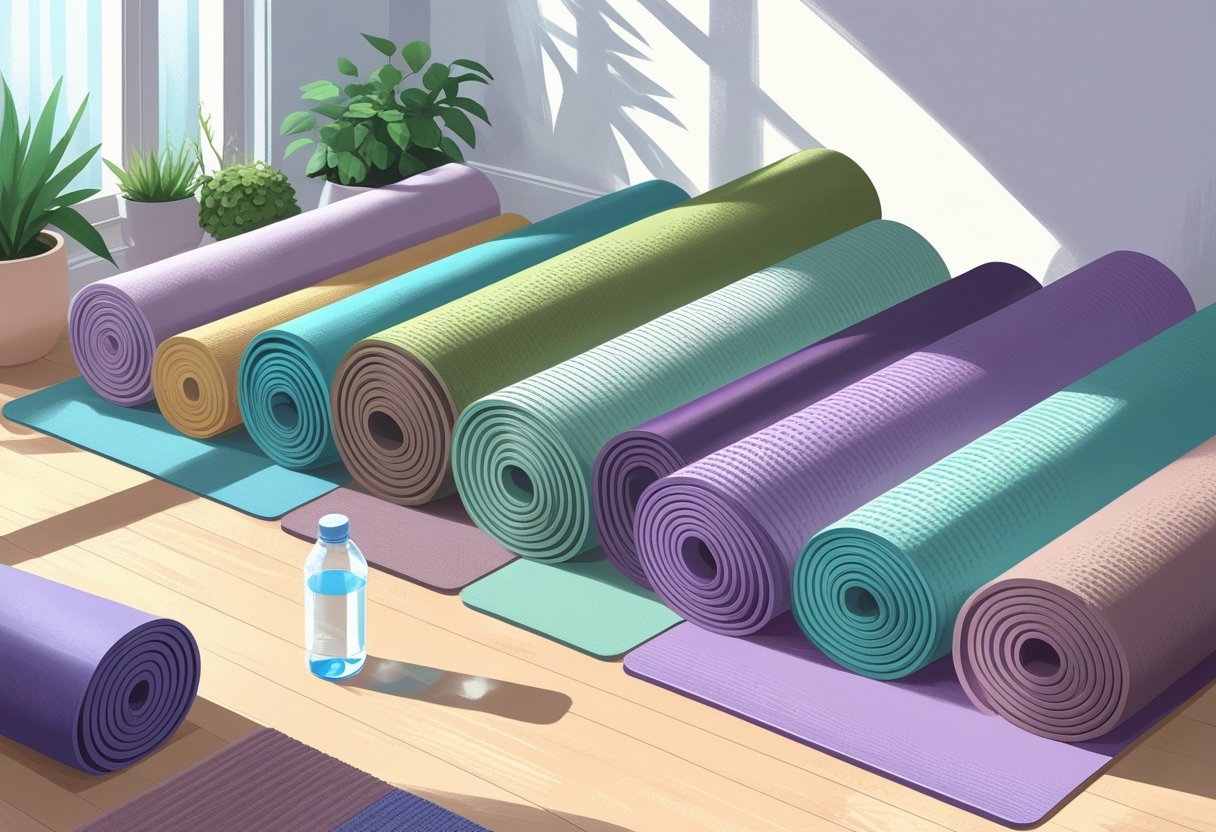
The best yoga mat should provide excellent grip to prevent slipping, offer enough cushioning to protect your joints, and be durable enough to last for years of regular use. With options ranging from budget-friendly PVC mats to premium natural rubber picks, you’ll find mats in every price range from $15 to $150.
The key is knowing which features matter most for your practice style and needs.
You might feel overwhelmed by all the choices out there, but finding your perfect mat doesn’t have to be complicated.
Once you understand the basic differences between materials, thicknesses, and textures, you’ll be ready to pick a mat that supports your practice for years to come.
Key Takeaways
- A quality yoga mat needs good grip, adequate cushioning, and durability to last through years of regular use
- Different mat materials like natural rubber, PVC, and cork each offer unique benefits for grip, comfort, and environmental impact
- Choosing the right mat depends on your practice style, body needs, and whether you need extra thickness or portability
Key Types of Yoga Mats
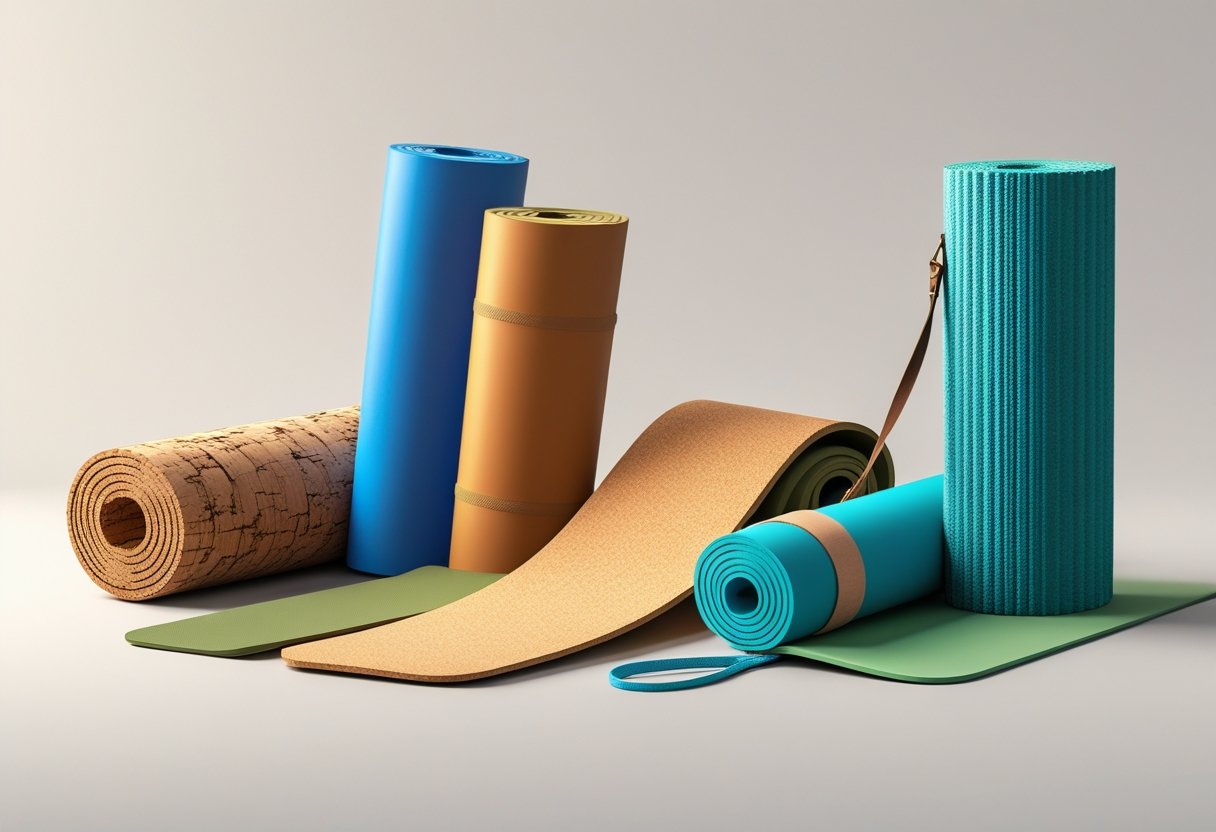
Different yoga mats serve different needs, from budget-friendly PVC options to natural cork surfaces.
The thickness ranges from ultra-thin travel versions at 1.5mm to plush 10mm mats for extra cushioning.
Standard Yoga Mat Varieties
PVC yoga mats make up nearly half of all mats sold today. They’re affordable and last for years without losing their grip or shape.
You’ll find them in every yoga studio because they work well and don’t cost much. These mats give you excellent traction in dry conditions.
You can clean them easily with mild soap and water. They resist moisture and don’t absorb sweat like other materials.
TPE mats offer a greener choice than PVC. They blend rubber flexibility with plastic durability.
You won’t find toxic chemicals like BPA or phthalates in quality TPE mats. They weigh less than rubber options and work great for hot yoga because they stay grippy when wet.
Natural rubber mats provide the best grip of any material. The surface sticks to your hands and feet even during sweaty sessions.
These mats come from rubber tree sap and last for decades with proper care. Just watch out if you have latex allergies – the natural rubber contains proteins that can trigger reactions.
Cork Yoga Mats and Natural Options
Cork yoga mats get grippier as you sweat, which makes them perfect for hot yoga. The natural waxy substance in cork fights off bacteria and mold.
Studies show bacteria drops by over 96% on cork surfaces after just 90 minutes. You won’t need to clean your cork mat as often as other types.
The antimicrobial properties keep odors away naturally. Cork mats typically pair with rubber or TPE bases for stability and cushioning.
Jute mats offer another earth-friendly option. The rough texture gives you instant grip without breaking in.
These mats work amazingly well in humid conditions because the natural fibers wick moisture away. The plant grows in just 4-5 months and breaks down naturally in 1-2 years.
The downside? Cork and jute both have rough surfaces that might leave temporary marks on your skin during floor poses. They also cost more than standard PVC options.
Travel Yoga Mats
Travel yoga mats sacrifice some cushioning to save weight and space. They typically measure 1.5mm to 3mm thick compared to standard 4-6mm mats.
You can fold them into your luggage or roll them up to fit in a backpack. These thin mats weigh around 2-3 pounds instead of 5-7 pounds.
You’ll feel more of the floor beneath you, but that’s the trade-off for portability. Some travel versions fold instead of roll, which makes packing even easier.
Your yoga mat for travel needs to be durable enough to handle airport security and hotel room floors. Look for materials like natural rubber or TPE that won’t crack from repeated folding.
Many travel mats come with carrying straps or bags built in.
Exercise Mats vs. Yoga Mats
Exercise mats and yoga mats look similar but serve different purposes. Exercise mats focus on thick cushioning for floor workouts, sit-ups, and stretching.
They’re usually 10mm or thicker to protect your joints during high-impact movements. Yoga mats prioritize grip and stability over cushioning.
You need to feel grounded during balance poses. Most yoga mats range from 4-6mm thick – enough padding for comfort but not so much that you wobble.
Key differences:
- Exercise mats are thicker (8-15mm) for impact absorption
- Yoga mats have textured surfaces for better grip
- Exercise mats work for general fitness and Pilates
- Yoga mats stay stable during standing poses
You can use an exercise mat for gentle yoga, but you’ll struggle with balance poses on all that cushioning.
A yoga mat works fine for floor exercises if you don’t mind less padding. Choose based on your main activity – dedicated yoga practice needs a proper yoga mat.
Top Yoga Mats and Leading Brands
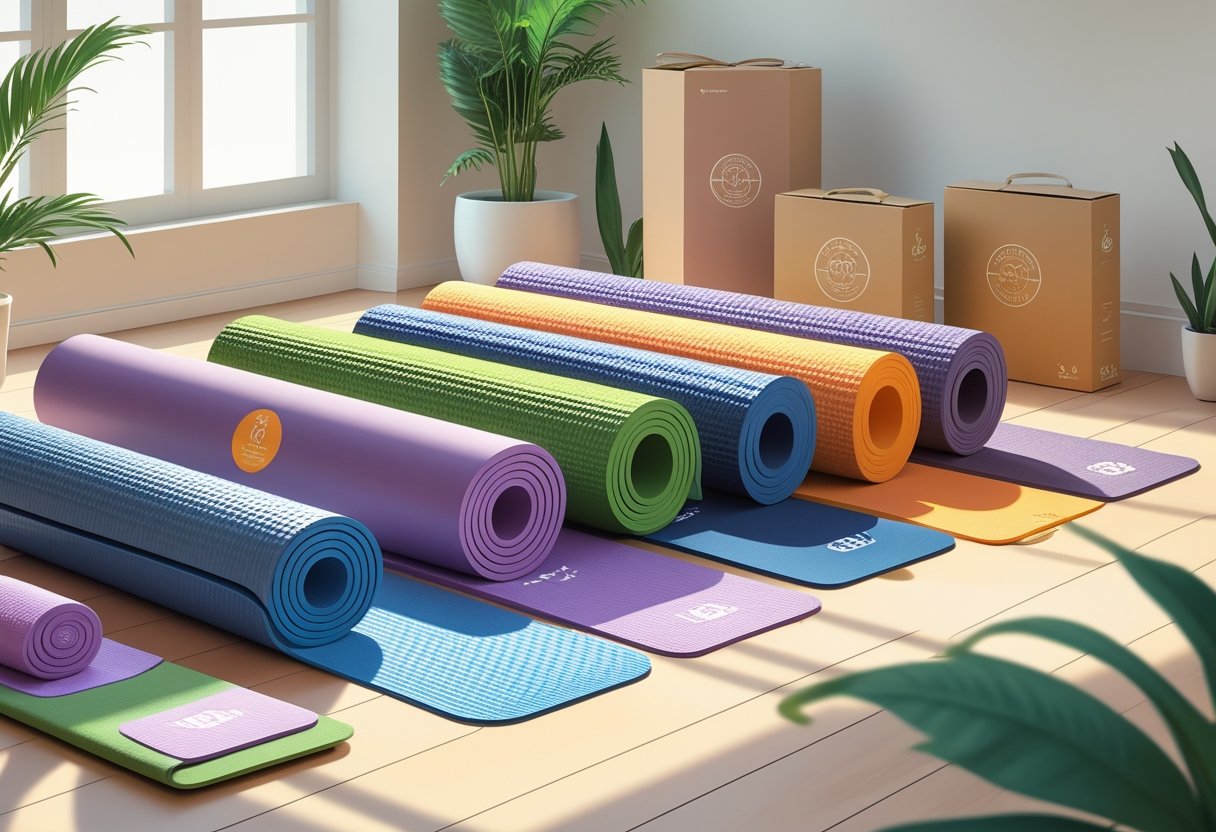
Several top brands dominate the yoga mat market with products that offer different levels of cushioning, grip, and durability.
These mats range from budget-friendly options to premium picks that can transform your practice.
Manduka PRO and Manduka EKO Series
The Manduka PRO stands out as one of the most durable yoga mats you can buy. This mat features 6mm of firm cushioning that supports your joints without feeling too soft.
The PVC construction makes it incredibly long-lasting, and many yogis use the same Manduka PRO for years. The Manduka PRO yoga mat comes in a large size option that measures 79 x 52 inches, giving you plenty of room to move.
It weighs about 16.5 pounds, so it works best as a permanent fixture in your home gym. If you want something eco-friendly, the Manduka EKO series uses natural rubber instead of PVC.
The Manduka EKO Superlite is perfect for travel since it weighs only 2.2 pounds and rolls up thin. It measures 71 x 24 inches and has 1.5mm of thickness, which lets you feel grounded during standing poses.
Lululemon The Mat and Lululemon The Mat 5mm
Lululemon The Mat is a premium option that blends natural rubber, synthetic rubber, and polyurethane for excellent grip. This best yoga mat option measures 71 x 24 inches and comes in a standard 5mm thickness.
The surface feels grippy without being sticky, and it holds up well through sweaty practices. Lululemon The Mat 5mm provides the perfect balance between cushioning and stability.
You won’t feel like you’re sinking into the mat, but your knees and wrists get enough protection during floor poses. Lululemon also makes The Big Mat, which measures 84 x 28 inches and weighs 7 pounds.
This larger size gives you extra space for dynamic movements. The brand’s Foldable Mat is another option if you need something portable at 4.2 pounds that folds instead of rolls.
Alo Warrior Mat and Alo Yoga
The Alo Warrior Mat brings professional-grade performance to your practice. Alo Yoga designs mats that work for both beginners and experienced yogis who demand high performance.
These mats feature excellent grip that helps you hold poses without slipping. Alo Yoga mats typically use a combination of natural and synthetic materials that are easy to clean.
The texture feels comfortable on bare skin, and the mats maintain their grip even when wet. You’ll find that Alo products tend to be lightweight enough to carry to class but substantial enough for home use.
Bala and Other Popular Brands
Bala creates yoga mats that focus on both function and style. The brand is known for modern designs that look great in your workout space.
JadeYoga makes the Harmony mat from natural rubber, which weighs 4.8 pounds and measures 68 x 24 inches with 4.7mm thickness.
The Jade Harmony excels at hot yoga because the rubber surface gets grippier as you sweat. The Liforme Original Yoga Mat includes alignment markers that guide your practice.
It measures 72 x 26 inches and weighs 5.5 pounds with 4mm of cushioning. Gaiam yoga mats offer budget-friendly options starting around $17, making them perfect if you’re just starting out or need a backup mat.
Essential Features to Consider
The right yoga mat can transform your practice by providing the perfect balance of grip, cushioning, and support.
Material choice, thickness, surface texture, and overall comfort work together to create a mat that keeps you safe and focused during every pose.
Material and Sustainability
Your yoga mat material directly impacts how your mat performs and how long it lasts. Natural rubber yoga mats offer excellent grip and cushioning while being biodegradable and renewable.
PVC mats provide unmatched stickiness and durability but aren’t eco-friendly. TPE (thermoplastic elastomer) gives you a middle ground with decent performance and better environmental credentials.
If sustainability matters to you, look for mats made from jute, organic cotton, or cork. These materials come from renewable sources and skip the harmful chemicals found in synthetic options.
Check for certifications like GOTS or OEKO-TEX to confirm your mat meets environmental standards. Natural rubber works great for most yoga styles.
It gives you solid grip and decent cushioning. Just know that rubber mats can have a smell when new and might trigger latex allergies in some people.
Thickness and Cushioning
A thick yoga mat protects your joints and makes floor poses more comfortable. Standard mats measure 1/8 inch (3mm), which works well for most practices.
Thick yoga mats at 1/4 inch (6mm) cushion your knees and elbows better, making them perfect if you have sensitive joints or do therapeutic yoga. Thicker isn’t always better though.
Extra cushioning can make balancing poses harder because you can’t feel the floor as well. If you focus on standing poses or balance work, stick with a thinner mat around 1/8 inch.
Travel mats go even thinner at 1/16 inch, but they sacrifice comfort for portability. Your body type and practice style should guide your choice.
Heavier practitioners often prefer more cushioning, while those doing dynamic flows might want a firmer surface for stability.
Grip, Texture, and Non-Slip Qualities
A non-slip yoga mat keeps you stable and safe during your practice. Stickiness prevents your hands and feet from sliding, which matters most during downward dog, planks, and warrior poses.
PVC mats typically offer the stickiest surface, while natural materials provide varying levels of grip. Texture plays a huge role in preventing slips.
Smooth surfaces can get slippery when wet, making them poor choices for hot yoga or sweaty practices. Raised patterns, ridges, or natural textures give you extra traction when moisture builds up.
If you practice hot yoga or sweat heavily, consider pairing your mat with a yoga towel. These towels absorb moisture and often grip better as they get wetter.
Some mats have microfiber or absorbent top layers built in for the same effect.
Comfort and Support
The most comfortable yoga mat supports your body without creating pressure points. Comfort comes from the right combination of thickness, material density, and surface texture.
Dense materials hold up better over time and maintain their support. Softer materials might feel better initially but compress faster.
Your mat should cushion bony areas like knees, hips, and elbows during floor work. At the same time, it needs enough firmness to keep you stable during standing poses.
Test how a mat feels on your hands and feet. You’ll spend most of your practice in direct contact with these areas.
Consider where you practice too. If you’re on hard floors, you’ll want more cushioning.
Carpeted studios let you use thinner mats comfortably.
How to Choose the Best Yoga Mat for Your Needs
Finding the right yoga mat depends on your practice style, experience level, and budget. Hot yoga requires moisture-wicking materials, while beginners need supportive all-around options.
Budget-conscious yogis can find quality mats without overspending.
Best Yoga Mats for Hot Yoga
Hot yoga demands a mat that handles sweat and maintains grip when moisture builds up. Cork and jute materials work well because they naturally absorb moisture and become grippier as you sweat.
You’ll want to avoid standard PVC mats since they can get slippery when wet. The best mat for hot yoga should have antimicrobial properties to prevent odor and bacteria growth.
Look for options between 5mm and 6mm thick that balance cushioning with stability. Some yogis prefer using a yoga towel on top of their mat during hot sessions, which adds an extra absorbent layer.
Natural rubber mats with textured surfaces also perform well in heated rooms. They dry quickly between poses and provide excellent traction.
Best Overall and Best for Beginners
The best yoga mat overall balances grip, cushioning, and durability for all practice styles. Manduka mats are popular choices because they last for years and provide excellent support.
Your first mat should be around 5mm to 6mm thick, offering enough padding without compromising balance during standing poses. Beginners benefit from mats with alignment markers or guidelines printed on the surface.
These help you position your hands and feet correctly as you learn new poses. A standard 72-inch length and 24-inch width accommodate most body types perfectly.
Key features for beginners:
- Non-slip bottom surface
- Medium thickness (5-6mm)
- Durable material that won’t break down quickly
- Easy to clean
- Included carrying strap
PVC mats make excellent options for those just starting out because they’re affordable and long-lasting. FSC-certified rubber provides an eco-friendly alternative with similar durability.
Best Budget and Affordable Yoga Mats
Budget yoga mats under $30 can still deliver quality performance for your practice. Gaiam and Retrospec offer affordable options that include carrying straps, saving you money on accessories.
You don’t need to spend a fortune when you’re starting your yoga journey or practicing occasionally. Affordable mats typically use PVC or basic rubber construction.
While they might not last as long as premium options, they provide adequate grip and cushioning for regular use. Many budget-friendly mats come in fun colors and patterns that make your practice more enjoyable.
Watch for sales at sporting goods stores where you can find quality mats at reduced prices. Just make sure the mat has proper thickness (at least 4mm) and a textured surface for grip.
Frequently Asked Questions
Choosing the right yoga mat involves understanding key features, proper care, and material options that suit your practice style and values. These common questions will help you make smart decisions about your mat.
What are the top features to look for in the best yoga mats?
The best yoga mats combine grip, cushioning, and durability to support your practice. You’ll want a mat with a non-slip surface that keeps you stable during poses, especially when you start to sweat.
Thickness is another key feature to consider. Standard mats are about 4-5mm thick and work well for most yoga styles.
Thicker mats around 6mm give your joints extra cushioning if you need it. Material quality affects how long your mat will last.
PVC mats offer excellent durability and grip, while TPE provides a good balance of comfort and eco-friendliness. The texture of the surface matters too, as it impacts both grip and how easy the mat is to clean.
Size is important if you’re taller than average. Most standard mats are 68 inches long, but you can find longer options up to 72 or 84 inches.
Your mat should give you enough space to move freely without worrying about sliding off the edges.
How do you clean and maintain your yoga mat for maximum longevity?
Regular cleaning keeps your mat fresh and extends its life significantly. Mix water with a small amount of hydrogen peroxide or mild dish soap in a spray bottle for an effective cleaning solution.
Spray the solution on both sides of your mat and wipe it down with a clean cloth after each use. For deeper cleaning, you can use the same mixture but let it sit for a few minutes before wiping.
Some mats can even go in the washing machine, but always check your manufacturer’s instructions first. Proper storage is just as important as cleaning.
Roll your mat with the practice side facing outward to prevent the edges from curling up. Keep it in a cool, dry spot away from direct sunlight, which can break down the materials over time.
Using a yoga mat bag protects your mat from dust and damage when you’re traveling to class. You should replace your mat every 6-12 months with regular use, or sooner if you notice worn spots, reduced grip, or persistent odors that won’t wash out.
Can you recommend some eco-friendly yoga mat options?
Natural rubber mats are a fantastic eco-friendly choice that gives you excellent grip and cushioning. These mats come from renewable rubber trees and break down naturally at the end of their life.
Jute and cotton mats offer another sustainable option made from plant fibers. They provide a unique texture and are completely biodegradable, though they typically offer less cushioning than rubber options.
TPE (thermoplastic elastomer) mats give you a middle ground between performance and environmental impact. They’re recyclable and free from harmful chemicals like PVC and latex.
Cork yoga mats have become increasingly popular for their natural antimicrobial properties. They provide great grip that actually improves when they get wet, making them perfect for sweaty practices.
What’s the difference between a regular yoga mat and one designed for hot yoga?
Hot yoga mats need superior moisture absorption and grip that actually gets better when wet. Regular mats can become dangerously slippery when you sweat, but hot yoga mats are specifically designed to handle moisture.
The materials used in hot yoga mats are key to their performance. Many feature microfiber or special textured surfaces that absorb sweat quickly.
Some have a towel-like top layer bonded to a rubber base for maximum grip and absorption. Hot yoga mats are often thinner than regular mats, usually around 3-4mm thick.
This thinner design helps you stay connected to the floor for better balance during challenging poses in heated rooms. You’ll also find that hot yoga mats dry faster than regular mats.
This quick-drying feature prevents bacteria growth and makes cleaning easier after intense, sweaty sessions.
How thick should my yoga mat be to provide proper support?
Standard 4-5mm mats work perfectly for most yoga styles and provide the right balance of cushioning and stability. This thickness protects your joints without making you feel disconnected from the floor.
If you have sensitive knees or practice restorative yoga, a 6mm mat gives you extra cushioning where you need it. These thicker mats make floor poses much more comfortable during longer holds.
Thinner mats around 3-4mm are ideal for hot yoga and balance-focused practices. You’ll feel more grounded and stable, which helps you maintain proper alignment in standing poses and inversions.
Keep in mind that thicker isn’t always better. Extra-thick mats can make balance poses harder because they create an unstable surface.
Your body type, practice style, and personal comfort preferences should guide your choice.
Are there any innovative materials or designs in yoga mats that have recently become popular?
Cork and natural rubber combinations have taken the yoga world by storm! These mats feature cork on top for natural grip and antimicrobial benefits.
The rubber base provides cushioning and stability.
Alignment markers have become a game-changer for practitioners who want to perfect their form. These built-in guides show you exactly where to place your hands and feet during different poses.
Biodegradable and recyclable materials are pushing mat technology forward. Companies are creating mats from algae-based foams and other innovative plant materials that perform well without harming the environment.
Reversible mats with different textures on each side give you options for various practice styles.
You can flip between a smoother side for gentle flows and a textured side for more intense sessions.
Some new mats even include antimicrobial treatments that naturally fight bacteria and odors without harsh chemicals.