What Is the Best Thickness for a Yoga Mat: A Complete Guide to Comfort and Stability
Choosing the right yoga mat thickness can make or break your practice. A mat that’s too thin leaves you with sore knees, while one that’s too thick makes balancing poses wobbly and difficult.
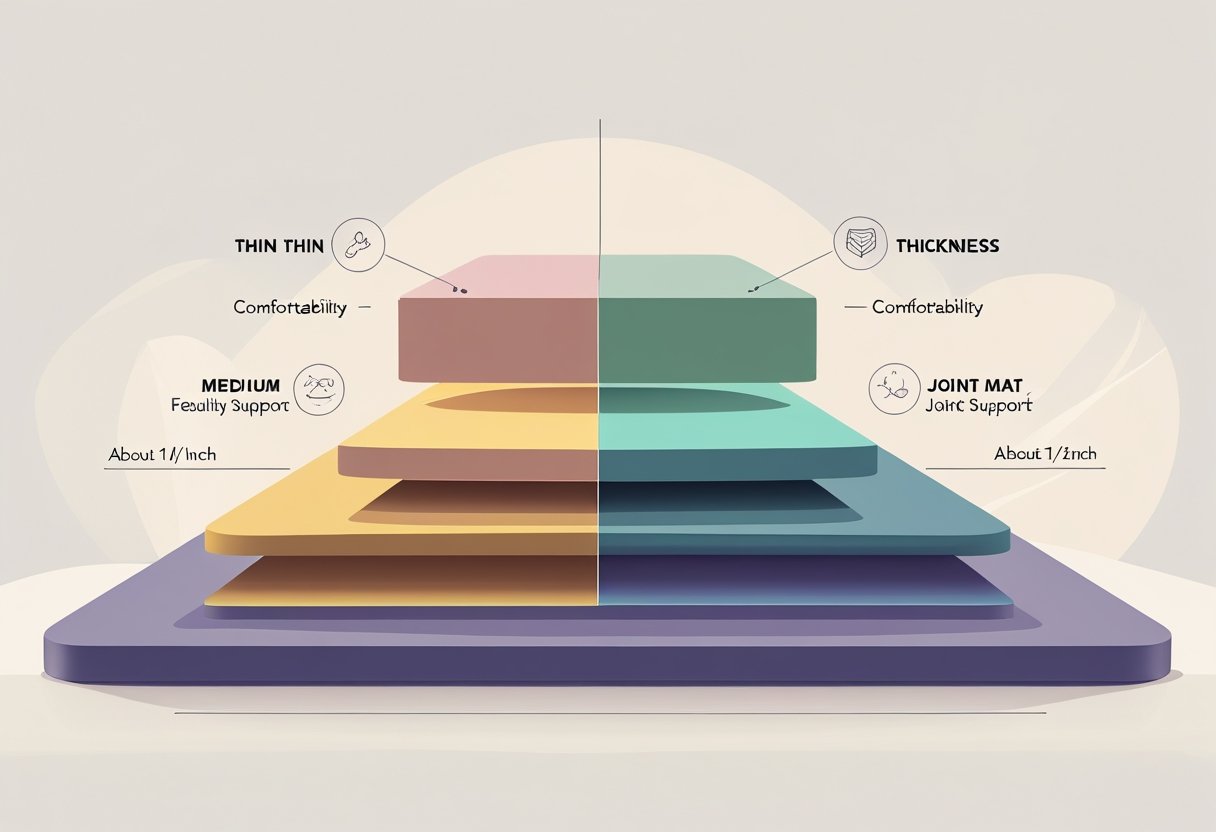
The best thickness for most people is 1/4 inch (about 6mm), which offers a good balance between cushioning and stability. Beginners often prefer slightly thicker mats around 1/2 inch for extra joint protection. More experienced practitioners typically choose thinner mats between 1/8 and 1/4 inch for better ground connection.
Your ideal thickness depends on your practice style, body needs, and where you do yoga. This guide walks you through everything you need to know to pick the perfect mat thickness for your specific situation.
Key Takeaways
- Standard 1/4 inch mats work well for most yoga practitioners and offer balanced cushioning with stability
- Thicker mats provide more joint protection but can make balance poses harder to perform
- Your choice should match your experience level, practice style, and any physical conditions you have
Defining the Best Thickness for a Yoga Mat
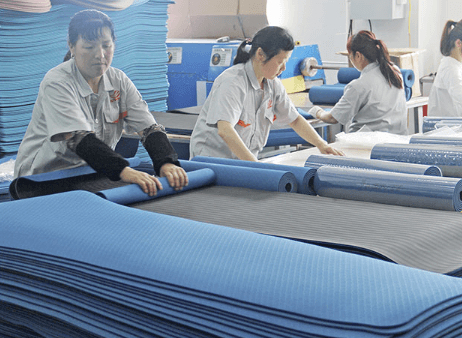
Yoga mat thickness directly affects your comfort, balance, and safety during practice. The right thickness depends on your body type, the yoga style you practice, and whether you need extra joint protection or better stability.
Why Yoga Mat Thickness Matters
The thickness of a yoga mat determines how much cushioning you get between your body and the floor. When you practice poses that put pressure on your knees, elbows, or spine, a thicker mat provides more comfort and joint protection.
However, mat thickness also affects your connection to the ground. A mat that’s too thick can make balancing poses harder because your feet sink into the soft surface. This creates instability during standing poses and transitions.
Your choice of thickness should match your physical needs and practice style. If you have sensitive joints or practice on hard floors, you’ll need more cushioning. If you focus on balance-intensive styles like Vinyasa or Ashtanga, you’ll want better grip and stability.
Standard and Recommended Thickness Ranges
Standard yoga mat thickness falls between 3mm and 6mm. Most yoga studios provide mats in this range because they work well for general practice.
The ideal yoga mat thickness for most practitioners is 4mm to 5mm. This range offers a good balance of cushioning and stability for various yoga styles.
Here’s how different thickness ranges compare:
- 1mm to 2mm: Ultra-thin mats designed for travel
- 3mm to 4mm: Thin yoga mats for experienced practitioners who prioritize stability
- 5mm to 6mm: Standard thickness offering moderate cushioning
- 8mm to 15mm: Extra-thick yoga mats for therapeutic practice or sensitive joints
A travel yoga mat typically measures 1mm to 2mm thick. These fold easily and fit in luggage but provide minimal cushioning. A 6mm yoga mat sits at the upper end of standard thickness and works well for beginners or those needing extra joint support.
Impact of Thickness on Cushioning and Joint Support
Thicker yoga mats provide better shock absorption when you move between poses. If you have knee problems, wrist pain, or back issues, a mat between 6mm and 10mm helps reduce pressure on these areas.
Extra-thick yoga mats work best for restorative yoga, yin yoga, or prenatal practice. These styles involve holding poses longer, which means more sustained pressure on your joints. The added cushioning prevents discomfort during extended floor work.
Thin yoga mats offer less joint protection but allow you to feel the ground better. Many experienced practitioners prefer 3mm to 4mm mats because they don’t need as much cushioning and value the improved ground connection.
Your body weight also matters. Heavier practitioners often need thicker mats because they compress more under weight, reducing effective cushioning.
Influence of Thickness on Stability and Grip
A thicker yoga mat can reduce your stability during standing poses and balancing sequences. When your feet press into a thick surface, the material compresses unevenly, making it harder to maintain proper alignment.
Thin yoga mats keep you closer to the floor, which improves your sense of balance. This ground connection helps you engage the right muscles and adjust your position more precisely.
The relationship between thickness and grip works differently than you might expect. Grip comes from the mat’s surface material, not its thickness. However, a thicker mat can feel less stable even if it has good surface grip because the extra cushioning creates a bouncy sensation.
Most practitioners find that standard mat thickness between 4mm and 5mm offers the best combination of grip and stability. This range provides enough cushioning without sacrificing your connection to the floor during balance-intensive poses.
Additional Factors Influencing the Ideal Yoga Mat Thickness
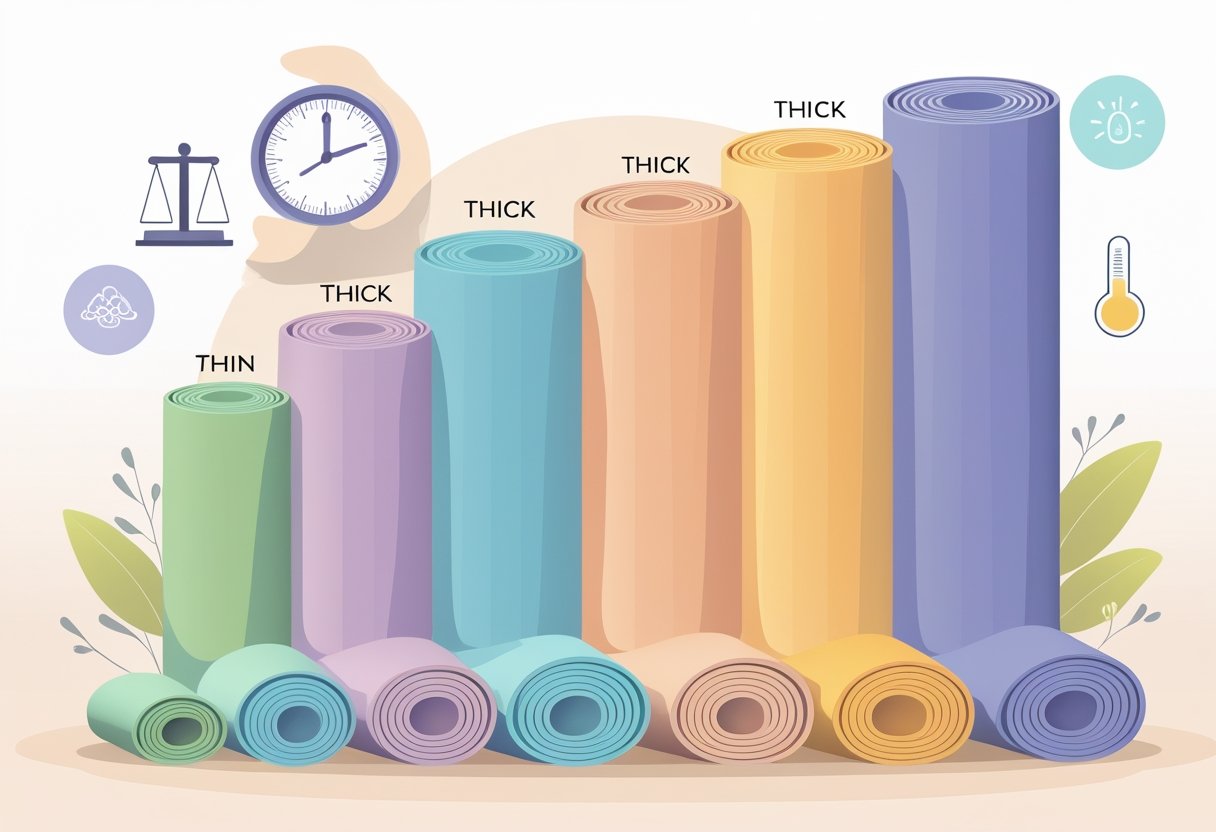
The right thickness depends on more than just cushioning preferences. Your mat’s material, how long it lasts, how easy it is to carry, and its effect on the environment all play important roles in finding the best option for your practice.
Yoga Mat Material and Its Effect on Performance
Different materials affect how your yoga mat performs regardless of thickness. PVC mats offer firm grip and resistance to moisture absorption, making them stable for most poses. Natural rubber mat options provide excellent traction and cushioning but may feel heavier and can trigger latex allergies.
TPE (thermoplastic elastomer) mats balance grip and comfort while staying lightweight. Cork mats naturally resist bacteria and improve grip when wet, though they tend to be firmer. Each yoga mat material interacts differently with thickness choices.
A 6mm PVC mat feels different from a 6mm natural rubber mat during your practice. The material density changes how much support you get and how stable you feel in standing poses.
Durability and Longevity Considerations
Thicker mats don’t always mean better durability. The material quality matters more than thickness alone for how long your workout mat lasts.
A high-quality 4mm mat can outlast a cheaper 6mm option. Dense materials resist compression better over time, maintaining their cushioning properties longer. Cheaper thick mats often develop permanent indentations where you place your hands and feet most often.
Consider how often you practice. Daily users need mats that maintain their structure through repeated compression. Look for high-density materials that bounce back after use rather than staying compressed.
Portability, Flexibility, and Storage
Thicker mats weigh more and take up more space when rolled. A 6mm mat typically weighs 3-5 pounds, while a 3mm mat weighs 2-3 pounds. This difference matters if you carry your mat to classes or travel frequently.
Flexibility becomes limited with very thick mats. Mats over 6mm can be hard to roll tightly and may not fit in standard yoga mat bags. They also take up more storage space at home.
Thin mats (1-2mm) fold easily and fit in luggage but sacrifice cushioning. Consider where you’ll practice most often before choosing thickness based on portability needs.
Environmental and Health Impacts
Your mat choice affects both environmental impact and your health. PVC mats release harmful chemicals during production and don’t biodegrade easily. Natural rubber mat and cork options break down naturally but cost more upfront.
TPE mats offer a middle ground with recyclable materials and lower toxicity. Some thick mats use more raw materials, increasing their environmental footprint regardless of material type.
Check for certifications like OEKO-TEX or GREENGUARD that verify low chemical emissions. Thinner mats made from sustainable materials often have less environmental impact than thick synthetic options. Your body absorbs small amounts of chemicals from your mat through skin contact during practice, making material safety important for regular users.
Frequently Asked Questions
Yoga mat thickness directly impacts your comfort, stability, and joint protection during practice. The right thickness depends on your experience level, yoga style, and specific physical needs.
What factors should be considered when choosing the appropriate yoga mat thickness?
Your body weight plays a role in how much cushioning you need. Heavier practitioners may compress thinner mats more, reducing their effectiveness.
The type of flooring in your practice space matters too. Hard surfaces like concrete or tile require more cushioning than carpeted areas.
Your personal sensitivity to pressure affects your comfort level. If you have sensitive knees or joints, you’ll need more padding than someone without these concerns.
How does yoga mat thickness affect comfort and stability during practice?
Thicker mats provide more cushioning for your joints during floor poses. This extra padding helps reduce pressure on your knees, elbows, and spine.
Balance becomes harder on thicker mats because you’re further from the ground. Standing poses require more effort to maintain stability when your mat is plush.
Thinner mats give you better connection to the floor. This helps you feel more grounded during balance poses and standing sequences.
Are thicker yoga mats better for certain types of yoga or postures?
Restorative yoga and yin yoga benefit from thicker mats. These styles involve holding poses for long periods on the floor, making extra cushioning valuable.
Hot yoga and vinyasa flow work better with thinner mats. These active styles require quick transitions and stable footing for flowing movements.
Poses that put pressure on your knees need more padding. Child’s pose, cat-cow, and kneeling lunges are more comfortable on thicker surfaces.
What are the advantages and disadvantages of thicker versus thinner yoga mats?
Thicker mats (6-8mm) protect your joints better and feel more comfortable during floor work. They’re easier to practice on if you have knee or back problems.
The downside is that thick mats are heavier to carry and harder to balance on. They also take up more storage space and cost more money.
Thinner mats (3-4mm) are lightweight and portable. They provide excellent stability for standing poses and balance work.
Their main disadvantage is less cushioning for sensitive joints. You may feel uncomfortable during long holds on hard floors.
Can the thickness of a yoga mat impact joint support during exercise?
Mat thickness directly affects how much your joints are protected from hard floors. More cushioning means less pressure on your knees, wrists, and hips.
A mat that’s too thin can cause pain during kneeling poses. Your joints may feel bruised after practice if there isn’t enough padding.
Too much thickness can create instability that strains your joints differently. Your ankles and knees work harder to maintain balance on very soft surfaces.
How does the choice of yoga mat thickness vary for beginners versus experienced practitioners?
Beginners typically benefit from medium thickness mats around 5-6mm. This provides good cushioning while you build strength and balance.
You might not hold poses as long when starting out, but you’ll appreciate the joint protection. Extra padding helps you focus on learning rather than discomfort.
Experienced practitioners often prefer thinner mats between 3-4mm. Your improved balance and body awareness make the reduced cushioning less of an issue.
Advanced yogis may choose thickness based on their specific practice style. Some keep multiple mats for different types of yoga sessions.