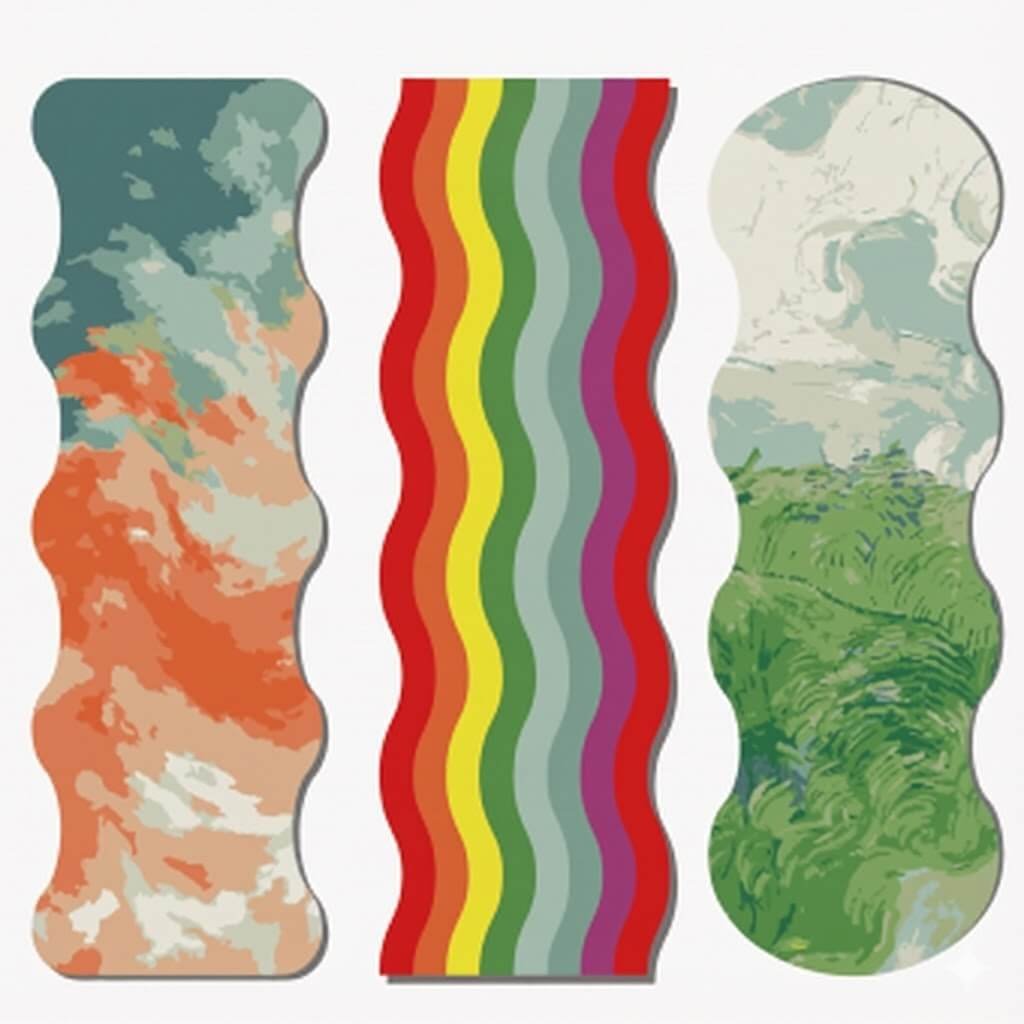
A yoga mat is a cushioned surface that provides grip, support, and comfort during yoga practice and other floor exercises. It creates a barrier between you and the ground while helping you maintain stability in different poses. Choosing the right yoga mat depends on factors like thickness, material, texture, and your specific type of practice.
Your mat choice matters more than you might think. A good mat prevents slipping, protects your joints, and can last for years with proper care. The wrong mat can make your practice uncomfortable or even unsafe.
Whether you practice hot yoga, need extra cushioning, or want an eco-friendly option, there’s a mat designed for your needs. This guide will help you understand what makes a quality yoga mat and how to find one that works for your budget and practice style.
Key Takeaways
- Yoga mats vary in thickness, material, and texture to match different practice styles and personal needs
- Quality mats provide proper grip and cushioning while lasting longer with regular maintenance
- Understanding mat features and comparing options helps you find the best value for your practice
What Is a Yoga Mat?
A yoga mat is a specially designed cushioned surface that provides grip, stability, and comfort during yoga practice. These mats create a defined personal space and prevent slipping while you move through different poses.
Purpose of Yoga Mats
Yoga mats serve several important functions during your practice. They provide cushioning that protects your joints, especially your knees, wrists, and spine, when you perform poses on hard floors.
The textured surface prevents your hands and feet from sliding during holds and transitions. This grip becomes crucial when you hold challenging poses or when your hands get sweaty.
Yoga mats also establish boundaries for your personal practice space. They offer a hygienic barrier between you and shared studio floors or outdoor surfaces.
The padding helps you maintain proper alignment by giving you tactile feedback about your position. You can feel when you shift too far in any direction.
Materials Used in Yoga Mats
Manufacturers make yoga mats from several different materials. PVC (polyvinyl chloride) is the most common option because it’s durable, affordable, and provides excellent grip.
TPE (thermoplastic elastomer) offers an eco-friendly alternative that’s lighter and recyclable. These mats work well for beginners and casual practitioners.
Natural rubber provides superior grip and cushioning but costs more than synthetic options. You should avoid rubber mats if you have latex allergies.
Cork and jute materials appeal to environmentally conscious users. These natural fibers offer decent grip and absorb moisture well.
Some premium yoga mats combine multiple materials in layers. A common design uses rubber as a base layer with a microfiber or cork top surface for enhanced performance.
Evolution and History of Yoga Mats
Early yoga practitioners performed their routines on grass, animal skins, or simple cotton mats. These traditional surfaces offered minimal cushioning and often slipped on smooth floors.
Angela Farmer introduced the modern yoga mat in the 1960s when she began using underlay padding during her practice. The sticky PVC yoga mat became commercially available in the 1980s.
The first mass-produced yoga mat came from Hugger Mugger, which created a padded, non-slip surface specifically for Western practitioners. This innovation made yoga more accessible and comfortable.
Since then, manufacturers have developed mats in various thicknesses, textures, and materials. Today’s yoga mats range from thin travel versions to thick therapeutic options that cater to different needs and preferences.
Key Features to Consider in a Yoga Mat
A good yoga mat depends on grip quality, thickness, material strength, and how easy it is to carry. These factors affect your comfort and safety during practice.
Grip and Non-Slip Surface
A non-slip yoga mat keeps you stable during poses. The surface texture determines how well your hands and feet stay in place when you sweat. Look for mats with textured patterns or sticky surfaces that prevent sliding.
Different materials offer different grip levels. Natural rubber provides excellent traction for most users. PVC mats often have a tackier feel that some people prefer. TPE materials offer moderate grip with easier maintenance.
The non-slip surface works on both sides of your mat. The top keeps your body stable while the bottom prevents the mat from moving on the floor. Test the grip by pressing your palm down and trying to slide it forward.
Thickness and Cushioning
Mat thickness ranges from 1/16 inch to 1/3 inch. A thick yoga mat around 1/4 inch offers good joint protection for your knees and elbows. Thinner mats at 1/8 inch or less give you better stability for balance poses.
Your practice style affects which thickness you need. Restorative yoga benefits from more cushioning. Power yoga and standing poses work better with firmer, thinner surfaces.
A comfortable yoga mat balances cushioning with ground connection. Too much padding makes balance poses harder. Too little padding causes discomfort during floor work.
Durability and Longevity
Quality mats last between 1 to 7 years depending on materials and use. PVC mats typically last longest but take longer to break down. Natural rubber degrades faster but offers better grip throughout its life.
Check how the material handles daily wear. Mats should resist tearing, peeling, and flaking. The surface texture should maintain its grip even after months of use.
Proper care extends mat life. Clean your mat regularly according to manufacturer instructions. Store it rolled or flat away from direct sunlight.
Size and Portability
Standard yoga mats measure 68 inches long by 24 inches wide. Taller users need mats between 72 to 84 inches long. Wider mats at 26 to 30 inches give you more space for movement.
Weight matters if you carry your mat often. A travel yoga mat typically weighs 2 to 3 pounds and folds or rolls compactly. Standard mats weigh between 3 to 7 pounds.
Consider where you practice most. Home users can choose heavier, more cushioned options. Studio-goers benefit from lighter mats that fit in carrying bags or backpacks easily.
Types of Yoga Mats
Yoga mats come in different materials that affect grip, cushioning, and durability. The right mat depends on your practice style, environmental values, and whether you do heated classes.
Natural Rubber Yoga Mats
A natural rubber mat provides excellent grip and cushioning for your practice. These mats are made from rubber tree sap, which creates a sticky surface that prevents slipping during poses. The material is biodegradable and renewable, making it a popular choice for practitioners who care about the environment.
Rubber yoga mats typically measure 5-6mm thick, offering good joint protection. The dense material absorbs impact well and stays flat on the floor without bunching up. However, these mats can be heavy, usually weighing between 5-7 pounds.
You should avoid rubber mats if you have a latex allergy. The mats also have a distinct rubber smell when new, though this fades after a few weeks of use. Most natural rubber mats cost between $60-100.
Cork Yoga Mats
Cork yoga mats combine a cork surface with a rubber or TPE base. The cork layer comes from bark harvested from cork oak trees, which naturally regenerates without harming the tree. This makes cork an eco-friendly option.
The cork surface becomes grippier when wet, which helps during sweaty practices. Cork naturally resists bacteria and odor, so your mat stays fresher between cleanings. These mats provide firm support rather than soft cushioning.
Cork mats work well for standing poses and balance work. They typically cost $70-120 and weigh 3-5 pounds. The cork surface can feel rough at first but softens slightly with regular use.
Eco-Friendly and Sustainable Mats
An environmentally friendly yoga mat uses materials that minimize environmental impact. These include natural rubber, organic cotton, jute, and recycled materials. Many brands now make mats free from PVC, phthalates, and other harmful chemicals.
Jute mats offer natural texture and biodegradability but provide less cushioning. Cotton mats work well for gentle practices but slip on smooth floors. TPE (thermoplastic elastomer) mats are recyclable and more affordable than natural options.
Sustainable mats often carry certifications like OEKO-TEX or GOTS. Prices range from $40-150 depending on materials. You should check if the manufacturer has take-back or recycling programs.
Specialty Mats for Hot Yoga
A yoga mat for hot yoga needs superior moisture absorption and grip. Standard mats become slippery when wet, making them unsafe for heated classes. Hot yoga mats use specific materials or textures to handle heavy sweating.
Microfiber-topped mats are popular for hot yoga because the fabric absorbs moisture and increases traction. Some practitioners prefer using a hot yoga mat towel over their regular mat instead. Cork and natural rubber also work well since they grip better when damp.
Look for mats labeled specifically for Bikram or hot yoga. These usually have open-cell surfaces that absorb sweat or textured patterns that channel moisture away. Most hot yoga mats cost $50-90 and require more frequent cleaning than standard mats.
Best Yoga Mats for Different Needs
Different yoga practices and skill levels require specific mat features. Price, portability, cushioning, and grip vary across options to match your individual requirements.
Best Overall Yoga Mats
The Manduka PRO stands out as the best yoga mat overall for serious practitioners. It offers 6mm of dense cushioning that supports your joints without compromising stability. The closed-cell surface prevents moisture and bacteria from seeping into the mat.
This mat measures 71 inches long and weighs about 7.5 pounds. You’ll notice exceptional grip that improves as you use it. The material is latex-free and doesn’t contain harmful chemicals.
The Liforme Yoga Mat ranks as another top choice. It features unique alignment markers printed on the surface to help you position your hands and feet correctly. The 4.2mm thickness provides good cushioning while maintaining ground contact for balance poses.
Best Yoga Mats for Beginners
The Gaiam Essentials works well as a yoga mat for beginners because it balances quality and affordability. This 10mm thick mat gives you extra padding to protect your knees and elbows as you learn new poses. The textured surface provides basic grip for most beginner sequences.
Your first mat doesn’t need premium features. The Gaiam option costs less than $30 and helps you determine if yoga fits your lifestyle. It comes in multiple colors and includes a carrying strap.
The BalanceFrom GoYoga mat serves as another solid best yoga mat for beginners option. It measures 71 inches long with 0.25-inch thickness. The double-sided non-slip surfaces keep you stable during basic flows.
Best Budget Yoga Mats
The Amazon Basics Yoga Mat delivers reliable performance as the best budget yoga mat. You can purchase this mat for under $20 in multiple thickness options. The 0.5-inch version provides adequate cushioning for floor exercises and stretching.
This budget yoga mat includes a carrying strap and comes with a one-year warranty. The material is free from latex and phthalates. You get decent traction on both sides for basic yoga sessions.
The Retrospec Solana costs around $25 and offers good value. It measures 72 inches long with 6mm thickness. The closed-cell construction resists moisture better than open-cell budget options.
Best Mats for Travel
The Manduka eKO SuperLite weighs only 2.2 pounds, making it the best yoga mat for travel. You can fold this 1.5mm mat to fit in your suitcase or backpack. The natural rubber base provides grip on various surfaces including hotel room floors and outdoor spaces.
This yoga mat for travel unfolds to 71 inches long. The thin design means less cushioning than standard mats, but you gain portability. A mesh carry bag comes included.
The Jade Voyager serves as another excellent best yoga mat for travel choice. At 1.6mm thick and 3.2 pounds, you can pack it easily. Natural rubber construction gives you traction without added weight.
Top Yoga Mat Brands and Models
Several brands make yoga mats that stand out for their quality and performance. These options range from eco-friendly materials to mats built for durability and grip.
Manduka PRO and Manduka PROlite
The Manduka PRO is one of the most durable yoga mats you can buy. It weighs about 7.5 pounds and measures 6mm thick, which makes it heavy but very stable. The closed-cell surface keeps moisture and bacteria from getting inside the mat.
The Manduka PROlite gives you a lighter option at 4 pounds with 4.7mm thickness. You get the same quality as the PRO but in a mat that’s easier to carry. Both mats have a lifetime guarantee from Manduka.
These mats need to be broken in before they reach their full grip potential. You can speed this up by lightly scrubbing the surface with salt water. The Manduka PRO yoga mat comes in standard and extra-long sizes.
Jade Harmony and Jade Harmony Yoga Mat
The Jade Harmony uses natural rubber tapped from rubber trees. It measures 5mm thick and weighs around 5 pounds. This mat grips well on most floor surfaces without needing a towel.
Jade plants a tree for every mat sold. The natural rubber is biodegradable but won’t work for you if you have a latex allergy. The open-cell design of the Jade Harmony yoga mat absorbs sweat well but needs regular cleaning.
You should clean this mat after each use with a simple soap and water mixture. The mat doesn’t contain PVC or other synthetic materials. It comes in multiple color options and two length choices.
Liforme Classic and Liforme Original Yoga Mat
The Liforme Classic yoga mat features alignment markers printed right into the surface. These guides help you position your hands and feet correctly during poses. The mat is 4.2mm thick and uses a grippy top layer.
The Liforme Original Yoga Mat has the same alignment system but adds biodegradable materials. Both mats are wider than standard options at 27 inches across. They use a special “GripForMe” material that gets grippier when wet.
These mats cost more than basic options but include a carrying strap. The Liforme Classic is lighter and easier to transport than many premium mats. The eco-polyurethane surface is free from PVC and toxic chemicals.
Alo Warrior Mat and lululemon The Mat 5mm
The Alo Warrior Mat has a microfiber top layer bonded to natural rubber. It measures 4mm thick and weighs about 5 pounds. The microfiber surface gives you good grip during hot yoga or sweaty practices.
The lululemon mat comes in a 5mm thickness and uses natural rubber at its base. The lululemon The Mat 5mm has an antimicrobial additive to prevent odor buildup. Both mats work well for different yoga styles.
The Alo mat costs less than many premium options while still offering quality materials. Your lululemon mat needs occasional deep cleaning to maintain its grip. Both brands offer limited warranties on their products.
Comparison of Popular Yoga Mats
Different yoga mats excel in specific areas, from cushioning and support to how well they handle sweat during heated sessions. Your choice depends on what matters most for your practice style and budget.
Comfort and Stability
The most comfortable yoga mat typically has a thickness between 5-8mm. Mats in this range give you enough cushioning for your joints without making balance poses difficult.
The Manduka PRO and Liforme mats are known for being especially comfortable. The Manduka PRO has a dense cushioning that supports your knees and elbows during floor work. Liforme mats offer 4.2mm of thickness with a softer top layer that feels gentle on your body.
Thinner mats around 3-4mm work better for stability in standing poses. They let you feel the ground beneath you, which helps with balance. The downside is less padding for your joints.
Extra thick mats at 8mm or more provide maximum comfort but can feel unstable. They work well if you have sensitive knees or practice mostly restorative yoga.
Portability and Storage
Standard yoga mats weigh between 2-5 pounds and measure about 68-72 inches long. This size works for most people but can be heavy to carry.
Travel mats are much lighter at 1-2 pounds and fold down to fit in a suitcase. The Manduka eKO SuperLite and Jade Yoga Voyager are popular options. They measure only 1-2mm thick, so they sacrifice comfort for portability.
| Mat Type | Weight | Thickness | Best For |
|---|---|---|---|
| Standard | 3-5 lbs | 5-6mm | Regular practice |
| Travel | 1-2 lbs | 1-2mm | Taking on trips |
| Extra Thick | 5-7 lbs | 8mm+ | Home use only |
Grip and Performance in Hot Yoga
The best yoga mat for hot yoga needs to handle moisture without becoming slippery. Natural rubber mats like the Jade Harmony grip better as they get wet.
The Liforme mat is considered one of the best for hot yoga because of its special grip surface. It stays sticky even when covered in sweat. The Manduka PRO also performs well in hot conditions after you break it in.
Cork and polyurethane mats work differently. They start slippery when wet but become grippy as your hands and feet warm up the surface. The Yoloha Cork mat is a good example.
Some practitioners use yoga towels on top of regular mats during hot sessions. This adds grip and absorbs moisture.
Value for Money
Budget mats cost $15-30 and usually last 6-12 months with regular use. The AmazonBasics and Gaiam mats fall into this category. They work fine for beginners but wear out faster.
Mid-range mats run $50-80 and can last 2-3 years. The Jade Harmony and Manduka X are good examples. They offer better grip and durability than budget options.
Premium mats cost $100-150 but often come with lifetime warranties. The Manduka PRO and Liforme justify their price with materials that can last 10+ years. You pay more upfront but replace them less often.
Your budget should match how often you practice. Daily practitioners benefit more from investing in a durable mat.
Yoga Mat Care and Maintenance
Taking care of your yoga mat keeps it clean, safe, and functional for years. Regular cleaning prevents bacteria growth, proper storage maintains its shape, and knowing when to replace it protects your practice.
Cleaning Your Yoga Mat
You should clean your mat after every practice to remove sweat, dirt, and bacteria. A simple cleaning spray works well for daily maintenance. Mix one part water with one part white vinegar in a spray bottle, or add a few drops of tea tree oil for extra antibacterial properties.
Spray the solution on both sides of your mat. Wipe it down with a soft cloth or towel. Let it air dry completely before rolling it up.
For a deep clean, wash your mat once a month. Fill your bathtub with cool water and add a small amount of mild dish soap. Submerge the mat and gently scrub it with a soft brush or cloth.
Rinse the mat thoroughly with clean water. Squeeze out excess water without twisting or wringing the mat. Hang it over a shower rod or lay it flat to dry away from direct sunlight.
Never put your yoga mat in the washing machine or dryer. The heat and agitation can damage the material and break down the texture.
Storing and Transporting Your Mat
Store your mat unrolled or loosely rolled in a cool, dry place. This prevents permanent creases and allows air circulation. If you must keep it rolled, roll it loosely with the top surface facing out.
Avoid storing your mat in hot cars, direct sunlight, or damp areas. Heat breaks down the materials, and moisture encourages mold growth.
Use a yoga mat bag or strap for transport. These accessories protect your mat from dirt and damage. Choose a bag with ventilation holes to prevent moisture buildup.
When to Replace Your Yoga Mat
Replace your mat when you notice visible wear and tear. Peeling surfaces, deep cracks, or thin spots mean the mat no longer provides adequate cushioning or grip.
A slippery surface that doesn’t improve with cleaning indicates the texture has worn down. This creates safety risks during your practice.
Most yoga mats last one to two years with regular use. If you practice daily or do intense workouts, you may need to replace your mat sooner. Lighter users can extend their mat’s life to three years or more.
Where to Buy Yoga Mats and Find the Best Deals
You can purchase yoga mats from multiple sources, each offering different price points and selection options. Knowing where to shop and how to spot good deals helps you get quality products without overspending.
Online Retailers and Specialty Stores
Major online retailers like Amazon, Target, and Walmart carry extensive yoga mat selections with competitive prices. You’ll find hundreds of options ranging from budget-friendly mats under $20 to premium options over $100.
Specialty stores like Lululemon, Manduka, and Gaiam focus exclusively on yoga products. These retailers offer expert-level mats with advanced features like antimicrobial coatings and lifetime warranties. You can shop their websites or visit physical locations to test mats before buying.
Dick’s Sporting Goods and REI stock yoga mats alongside other fitness equipment. These stores combine the variety of general retailers with knowledgeable staff who understand athletic gear.
Used sports equipment stores like Play It Again Sports sell gently used mats at reduced prices. This option works well if you want to try yoga without a large initial investment.
Latest Offers and Promotions
Most retailers run sales during New Year, Black Friday, and back-to-school seasons. You can save 20-50% during these periods on popular mat brands.
Sign up for email newsletters from your preferred retailers to receive exclusive discount codes. Many companies send new subscribers a welcome offer of 10-15% off your first purchase.
Check retailer websites for clearance sections where discontinued colors and patterns sell at marked-down prices. The mats function identically to full-price versions but cost significantly less.
Amazon Prime Day and similar shopping events feature limited-time deals on yoga equipment. Set price alerts on items you want to track when costs drop.
What to Look for When Shopping
Compare prices across multiple retailers before purchasing. The same mat often varies $10-30 between different stores.
Read customer reviews to verify quality claims and identify potential issues. Look for feedback about durability, grip, and whether the mat stays flat during use.
Check return policies before buying. Good retailers allow 30-90 day returns if the mat doesn’t meet your needs.
Verify shipping costs, as bulky yoga mats sometimes carry additional fees. Free shipping thresholds typically range from $25-50 depending on the retailer.
Frequently Asked Questions
Choosing the right yoga mat involves understanding material composition, thickness measurements, and maintenance requirements. The right combination of features will support your practice while lasting for years.
What are the essential features to look for when purchasing a high-quality yoga mat?
You need to prioritize three main features: grip, durability, and material quality. A good yoga mat should have a textured surface that prevents slipping when your hands and feet get sweaty.
Look for mats between 4-6mm thick for general practice. The mat should lie flat without curling at the edges. Check that the material is free from harmful chemicals like phthalates and heavy metals.
Dense construction means the mat will resist tearing and maintain its shape over time. You should also consider the mat’s weight if you plan to carry it to classes.
How do I properly clean and maintain a yoga mat to ensure its longevity?
Wipe down your mat after each use with a damp cloth and mild soap. You can make a cleaning spray by mixing water with a few drops of gentle dish soap or tea tree oil.
Deep clean your mat once a month by hand washing it in cool water with mild detergent. Lay it flat or hang it to air dry completely before rolling it up. Never put your yoga mat in a washing machine or dryer, as this damages the material.
Store your mat unrolled or loosely rolled in a cool, dry place away from direct sunlight. Avoid leaving it in hot cars or damp areas where mold can grow.
Are there eco-friendly yoga mat options available that offer both sustainability and performance?
Natural rubber mats offer excellent grip and cushioning while being biodegradable. These mats come from rubber tree sap and break down naturally at the end of their lifespan.
Cork yoga mats provide antimicrobial properties and good traction when wet. Jute and organic cotton mats are also sustainable options, though they may offer less cushioning than rubber.
TPE (thermoplastic elastomer) mats are recyclable and free from PVC and latex. Many eco-friendly mats perform as well as traditional options while reducing environmental impact.
What is the ideal thickness for a yoga mat that balances cushioning and stability?
A 4-5mm thick mat works best for most yoga styles and body types. This thickness protects your joints during floor poses while keeping you stable in standing poses.
Thinner mats around 3mm suit you if you practice more active styles like vinyasa or need better balance feedback. Thicker mats at 6mm or more help if you have sensitive knees or practice on hard floors. Very thick mats can make balancing poses harder because your feet sink into the cushioning.
How do the materials used in yoga mats affect grip and comfort during practice?
PVC mats provide excellent grip and durability at an affordable price. They resist moisture well and work for most practice styles. Natural rubber offers superior traction that improves when you sweat.
TPE creates a softer feel with moderate grip and less environmental impact than PVC. Cork becomes grippier as it absorbs moisture from your hands and feet.
Microfiber surfaces feel soft but may require moisture to activate their grip. Each material offers different cushioning levels, with rubber and TPE generally providing more padding than PVC.
Can you recommend strategies for preventing a yoga mat from slipping during intense workouts?
Place a yoga towel over your mat during hot yoga or sweaty practices. The towel absorbs moisture and provides extra traction as you move through poses.
Use a non-slip rug pad or yoga mat gripper underneath your mat on smooth floors. Make sure your mat and the floor are both clean and dry before starting your practice.
Lightly spray water on cork or microfiber mats to activate their grip. You can also practice on carpet or use yoga socks and gloves designed with grip patterns if slipping continues to be an issue.