Materials and Technologies Used in US-Made Yoga Mats
American yoga mat makers use everything from natural rubber to recycled synthetics. Each material brings its own pros and cons—grip, durability, eco-friendliness, you name it. Most brands are trying to cut down on harsh chemicals while still giving you the performance you need.
Natural Rubber Mats
Natural rubber is a favorite for eco-friendly yoga mats made in the USA. It comes from rubber trees and offers fantastic grip, even if your hands are sweaty.
These mats can feel a bit heavier than synthetics, but that weight helps keep them from sliding around. JadeYoga, for example, makes all their mats from natural rubber and even plants a tree for every sale.
Heads up: new rubber mats have a pretty distinct smell at first, but it fades. They’re also biodegradable, so you’re not adding to landfill forever. If you’ve got a latex allergy, though, you might want to skip these.
PVC and Cellular Vinyl Alternatives
Old-school PVC mats are still around, but a lot of US brands now use safer alternatives. These materials have the cushion and durability you need, minus the harsh chemicals.
Cellular vinyl, for example, has a closed-cell surface that keeps out moisture and bacteria. Mats made from this stuff can last for years, whether you’re at home or in a studio. Some brands add antimicrobial treatments for extra peace of mind.
Cleaning is easy—just a little soap and water, and they dry fast. That makes them pretty handy for hot yoga or frequent use.
Cork, Cotton, and Hemp Materials
Cork mats have a natural, slightly rough texture that actually gives you more grip as you sweat. It’s harvested from cork oak bark, which regrows, so it’s a renewable resource. Cork also naturally fights off odors and bacteria.
Cotton and hemp are sometimes used as the main mat or as a top layer. They’re soft, plant-based, and hemp especially is about as eco-friendly as it gets. Cotton mats do need to be washed more often, but they’re great for slower, restorative practices or meditation.
Recycled and Upcycled Materials
Some American manufacturers put out eco mats made from recycled stuff like old wetsuits, yoga mats, or leftover industrial scraps. It’s a clever way to keep junk out of landfills and still make something useful.
Recycled rubber’s got surprisingly good grip and cushioning. Plus, it takes less energy and water to produce than starting from scratch with new materials. If you buy these, you’re supporting a circular economy—pretty cool, right?
Upcycled mats can look a little different from one batch to the next. That’s just part of the deal with recycled materials—no two are exactly alike.
Key Features and Performance Considerations
Choosing the right yoga mat? It’s all about grip, thickness, and whether you can actually carry it around without feeling like you’re lugging a suitcase. Knowing these basics helps you find a mat that fits your style and where you’ll practice most.
Non-Slip Surface and Traction
A non-slip surface is a must if you want to stay put during fast flows or trickier balance poses. Without decent traction, you’ll probably end up sliding out of downward dog—or worse, tweaking something.
Materials matter. Natural rubber usually gives you awesome grip, whether you’re sweaty or not. Cork’s kind of neat too—it actually gets grippier the more you sweat, so it’s a go-to for hot yoga or those intense Vinyasa classes.
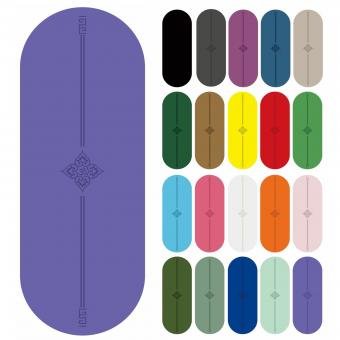
TPE (thermoplastic elastomer) mats are pretty reliable for non-slip performance and don’t weigh you down. Some brands add textured patterns or alignment lines to their non-slip yoga mat models, which help with both grip and keeping your form in check.
Your grip needs might change depending on how you practice. Restorative yoga? You can probably get by with less traction. But for Power Yoga or Ashtanga, you’ll want all the stickiness you can get. Try testing the mat in the same conditions you’ll actually use it—you might be surprised.
Thickness, Density, and Comfort
Mats come in everything from super thin 2mm styles to squishy, thick 1-inch versions. If you’re doing lots of floor work or have sensitive joints, something around 6mm or thicker can really save your knees and hips.
Density is just as important as thickness. A dense mat won’t squish down too much, so you’ll stay stable in standing poses. Softer mats can sometimes feel too squishy and mess with your balance. Good foam and TPE mats bounce back after being compressed, so they stay comfy longer.
Thinner mats—2mm to 4mm—are nice for balance-heavy practices where you want to feel the floor. They’re not as cushy, but you get better stability for things like arm balances or standing poses.
Think about what your body needs. Sensitive knees or practicing on hard floors? Go for more cushioning. If you’re all about balance or practice on carpet, a thinner mat might actually work out better.
Portability and Travel Mats
A travel yoga mat is usually 2mm to 3mm thick and weighs less than three pounds. They’re super easy to fold or roll up—perfect for tossing in a suitcase or clipping to your backpack.
Standard mats (the 72 by 24 inch kind, 4 to 7 pounds) are fine for home, but honestly, they get heavy if you’re hauling them to class every day. If you’re on the move a lot, look for options with carrying straps or a bag.
Foldable mats are handy if you’re flying or tight on storage—they fit in overhead bins and somehow still lay flat after being folded a bunch of times.
Of course, there’s always a trade-off. Super portable mats aren’t as cushy or tough, while full-size mats are comfier but a pain to carry. You’ll have to decide what matters more for your routine.
Sustainability, Certifications, and Eco-Friendly Choices
These days, a lot of US yoga mat makers are focusing on sustainable materials and actually backing up their claims with certifications. You’ll see natural rubber, cork, and recycled content, plus third-party stamps of approval if you look for them.
Eco-Friendly Yoga Mats and Initiatives
Eco-friendly yoga mats are usually made from natural rubber, cork, jute, or TPE instead of old-school PVC. Natural rubber comes from forests that (hopefully) aren’t being destroyed, and cork’s harvested from bark—so the trees keep on living.
Lots of brands use water-based inks for custom prints, skipping the nasty chemicals you find in regular printing. Plus, these mats are generally free from phthalates, lead, and other stuff you really don’t want to be inhaling while you practice.
Some companies go the extra mile with plastic-free packaging and even use carbon-neutral shipping. Eco-conscious materials like biodegradable TPE break down naturally (unlike PVC, which basically never goes away).
Certifications and Transparency
When you’re shopping, keep an eye out for SGS, REACH, and RoHS certifications. These show the mats meet certain safety and environmental standards. Some brands also have Oeko-Tex Standard 100, which checks for nasty chemicals.
A B Corp badge means the company’s serious about social and environmental responsibility. Climate Neutral certification shows they’re actively tracking and offsetting their carbon footprint.
Transparency’s a big deal too. You want brands that actually tell you where their stuff comes from and how it’s made. FSC certification is a good sign—they’re using cork and rubber from responsibly managed forests.
Comparing Leading US Yoga Mat Brands
Quality, reputation, and price are all over the map when it comes to US yoga mat brands. Knowing what sets them apart can help you find something that actually fits your practice—and your wallet.
Differences in Quality and Durability
Manduka’s kind of legendary for durability. Some folks have their mats for over a decade and they’re still going strong. Their PRO series uses dense rubber that barely shows wear, even in busy studios. They’re heavy, but that’s partly why they last.
Liforme mats are known for those alignment markers printed right into the surface—they don’t rub off like the cheap stuff. The eco-polyurethane they use is super grippy and still biodegradable, which is a nice touch.
Gaiam is a solid pick for beginners—just don’t expect them to last forever. Their PVC mats usually hold up for a year or two, which is fine if you’re just testing the waters.
JadeYoga makes natural rubber mats that are super grippy, even if you’re sweating buckets. They do break down a bit faster than synthetics, but the grip is worth it for a lot of people.
Brand Reputation and Customer Experience
Manduka’s been around since 1986 (Salt Lake City roots), and plenty of studio surveys say about 70% of yogis prefer their mats. Their lifetime guarantee says a lot about how much they trust their own products.
Liforme’s a newer player but got popular fast, mostly because of those alignment lines. A lot of instructors swear by them for helping students nail their form.
Gaiam’s everywhere—big box stores, online, you name it. Their prices get lots of people started with yoga, but their customer service is more like any other retailer, not super personal.
Hugger Mugger mats have a loyal following among studio owners who need gear they can count on. And fun fact: about 73% of surveyed yogis say they care about brands balancing eco responsibility with actual performance.
Price Points and Value for Money
Manduka PRO mats run $120-140, so yeah, it’s a chunk of change upfront. But if you keep it for ten years, you might actually save compared to replacing cheaper mats all the time.
Liforme mats are $140-160—definitely premium. You’re paying for the alignment lines and eco-friendly materials. Studios often stock these for regulars who want to invest in their practice.
Gaiam mats are budget-friendly at $20-40. They’re a great way to dip your toes in before splurging on something pricier.
| Brand | Price Range | Expected Lifespan | Best For |
|---|
| Manduka | $120-140 | 10+ years | Serious practitioners |
| Liforme | $140-160 | 5-7 years | Alignment-focused yogis |
| Gaiam | $20-40 | 1-2 years | Beginners, casual use |
| JadeYoga | $80-100 | 3-5 years | Eco-conscious users |
Frequently Asked Questions
There are a handful of major brands leading the eco-friendly yoga mat scene in the US, and figuring out quality really comes down to the materials and how the mats are built. American makers use all sorts of stuff—from natural rubber to cork, and some even cater to people with allergies.
What are the leading companies in the United States that specialize in eco-friendly yoga mats?
JadeYoga is a standout in the eco space. They make natural rubber mats in the USA and plant a tree for every mat sold—kind of a nice bonus.
Manduka, based in Salt Lake City, has a solid reputation for mixing sustainability with high performance, especially with their eKO series. They’ve been at it since the ’80s.
Hugger Mugger goes for eco-conscious materials and tries to balance durability with being green. Yoloha Yoga, out of New Jersey, is all about earth-friendly stuff—about 80% of their customers say sustainability is why they keep coming back.
How can one assess the quality and durability of yoga mats produced by American manufacturers?
Look at thickness and density—thicker mats cushion more, and denser ones don’t wear out as fast. It’s not rocket science, but it makes a difference.
Check out reviews, especially from studio owners who put mats through serious use. If a mat survives daily classes, it’ll probably last for you too.
Warranties are worth a look. If a company offers a long guarantee, they’re probably confident in what they’re making.
What variety of materials are commonly used by U.S.-based manufacturers for yoga mats?
Natural rubber’s a favorite—grippy, renewable, and feels good underfoot.
TPE, PU, NBR, and PVC are also pretty common. Each one’s got its own strengths for grip, cushioning, or durability—depends what you care about most.
Cork’s getting popular too. It’s naturally antimicrobial and actually gets grippier when wet, which is a nice perk if you sweat a lot.
Which USA-manufactured yoga mat brands are recommended for individuals with allergies or sensitivities?
Manduka’s eKO series is a good bet—natural rubber and fewer harsh chemicals. They aim their products at the eco-conscious crowd, including folks with sensitivities.
Lululemon uses FSC-certified rubber, which means less chemical junk and more responsible sourcing. That certification is a good sign for sensitive users.
If you’ve got latex allergies, definitely look for latex-free mats. Some brands offer TPE or PU options that skip the common allergens but still perform well.
Can you provide information on the certifications to look for when choosing a yoga mat from USA producers?
FSC (Forest Stewardship Council) means the rubber’s from responsibly managed forests. Lululemon uses FSC-certified rubber in their mats.
OEKO-TEX certification is another good one—it checks for harmful chemicals in materials, so you’re not breathing in anything sketchy during practice.
REACH compliance shows the company’s keeping up with strict chemical safety rules (even though they’re EU-based, it’s still a good sign in the US). It’s all about reducing hazardous stuff in your mat.
What innovation or technology advancements have American yoga mat manufacturers incorporated recently?
Alignment guide systems are popping up everywhere in yoga mats lately. Liforme, for example, came up with those clever alignment markers that actually help you stay on track with your form—pretty handy if you’re like me and sometimes forget where your feet should be.
Then there’s the whole customization thing. Studios and retailers can slap their logos or whatever unique design they want on mats now. Companies like FDM Yoga and Yoloha Yoga are making it easier to get mats that feel personal or help a business stand out. It’s honestly a nice touch if you’re tired of the same old plain mats.
Grip technology has also taken a leap. Manufacturers are engineering surface textures that somehow get grippier as you sweat—especially useful for hot yoga. Instead of mats turning into slip-and-slides, they actually hold up when things get intense. Why didn’t someone think of that sooner?
Sources & References
Disclaimer: The information presented in this research is compiled from publicly available sources, including official US-based corporate websites, third-party review platforms, and North American industrial publications. While every effort is made to ensure accuracy and timeliness (last verified March 2026), please note that business operations, pricing, and certified material availability—such as California Proposition 65 compliance, Berry Amendment eligibility, or FSC-certified rubber status—are subject to change. This report is intended for informational purposes only and does not constitute a formal endorsement. We strongly advise verifying all specific manufacturing details and Federal Tax ID (EIN) status directly with the American service providers before making a commercial commitment.